Fuji Ichiban is where ramen goes when it’s having an identity crisis and you want personal service replaced with a tablet to make your order (and make sure you pay attention to the sign that says they cannot split your bill). The broth’s got commitment issues halfway between “comforting hug” and “instant packet nostalgia.” Service was efficient in that “we’re mildly judging your choices from our kitchen” while you punch it in on the tablet at your table. Nothing says life choices like slurping noodles under fluorescent lights that could double as interrogation lamps. Four stars for the chaos and lacking personal touch.
Overview
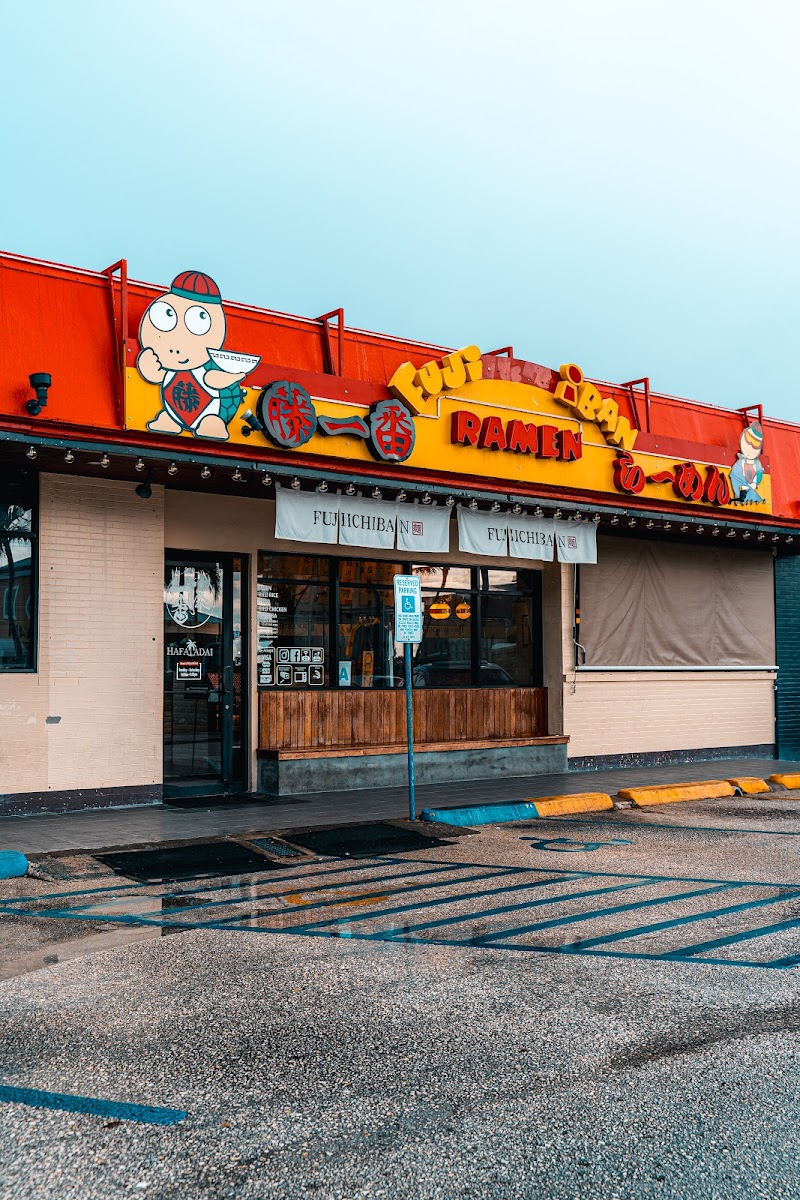
If you’re craving authentic Japanese ramen in Tumon, Fujiichiban Guam is one of those places that locals mention almost immediately. Tucked along 932 Pale San Vitores Rd, Tumon, 96913, Guam, this cozy diner-style restaurant has built a steady following for its rich broths, quick service, and comforting atmosphere. I’ve visited several times over the past year, and each experience felt consistent-which, in the restaurant world, says a lot.
The first thing that stands out is the aroma. As soon as you walk in, the scent of simmering pork bone broth and freshly cooked noodles fills the air. Ramen isn’t just soup; it’s a carefully balanced dish. According to the Japan Ramen Association, traditional tonkotsu broth can take up to 12 hours to prepare, slowly extracting collagen and umami from pork bones. You can taste that depth here. The tonkotsu ramen arrives steaming, with tender chashu pork slices, soft-boiled ajitsuke tamago eggs, green onions, and bamboo shoots layered over springy noodles.
On my last visit, I ordered the spicy miso ramen while a friend chose the shoyu version. The miso broth had a bold, savory profile without overwhelming heat. Meanwhile, the soy-based shoyu ramen offered a lighter but equally satisfying flavor. What impressed me most was the noodle texture-firm yet elastic, clearly cooked with attention. Achieving that balance requires precise timing; even 30 seconds too long can ruin the bite.
Beyond ramen, the menu offers classic Japanese comfort food. You’ll find gyoza with crisped bottoms, karaage fried chicken, curry rice plates, and fried rice options that make it approachable even for diners who aren’t noodle enthusiasts. Families appreciate the variety, especially since Guam attracts both tourists and military personnel looking for familiar Asian flavors. In fact, Guam’s tourism reports show that Japanese visitors have long been a significant demographic, which explains why authentic Japanese dining holds strong appeal in Tumon.
Service here leans toward efficient rather than overly formal. During peak dinner hours, the dining room fills quickly, but turnover is smooth. On one busy Friday night, I noticed how the staff coordinated seamlessly-orders moved from kitchen to table in under 15 minutes. That operational rhythm reflects a well-managed system. Restaurants that succeed long term often rely on standardized preparation methods and staff training, something hospitality experts from the National Restaurant Association frequently emphasize as key to customer retention.
The location on Pale San Vitores Road also adds to its charm. Tumon is known for its beachfront hotels and shopping centers, so it’s easy to stop by after a day exploring or swimming. Parking can be limited during high tourist seasons, which is worth noting. However, the convenience of being centrally located outweighs the minor hassle.
Reviews across dining platforms consistently highlight generous portion sizes and fair pricing. Compared to other ramen spots on the island, Fujiichiban strikes a balance between quality and affordability. That matters in Guam, where imported ingredients can raise food costs. While I can’t confirm every ingredient source, the flavors suggest attention to freshness and authenticity.
One detail I genuinely appreciate is how the restaurant maintains a diner-like warmth rather than feeling overly commercial. You’ll see solo diners enjoying a quiet bowl of noodles, couples sharing appetizers, and groups laughing over large platters. It feels lived-in and comfortable. There’s a certain honesty in that simplicity.
Of course, like any popular spot, wait times can stretch during holidays or weekends. If you’re planning a visit, going slightly before peak dinner hours can make the experience smoother. Still, even when busy, the food arrives hot and properly prepared-a sign the kitchen doesn’t cut corners under pressure.
For anyone exploring Guam’s dining scene, especially in Tumon, this ramen house stands out for consistency, authentic flavor, and accessible pricing. The blend of traditional Japanese recipes with island hospitality makes each visit feel satisfying and grounded in real culinary craft.
Good to know
Service options
✓ Delivery ✓ Takeaway ✓ Dine-inPopular for
✓ Lunch ✓ Dinner ✓ Solo diningAccessibility
✓ Wheelchair-accessible car park ✓ Wheelchair-accessible entrance ✓ Wheelchair-accessible seating ✓ Wheelchair-accessible toilet ✓ Assistive hearing loopOfferings
✓ Alcohol ✓ Beer ✓ Late-night food ✓ Quick bite ✓ Small plates ✓ Vegan options ✓ Vegetarian optionsDining options
✓ Brunch ✓ Lunch ✓ Dinner ✓ Catering ✓ Counter service ✓ Dessert ✓ Seating ✓ Table serviceAmenities
✓ Toilet ✓ Wi-Fi ✓ Wi-FiAtmosphere
✓ Casual ✓ Cosy ✓ TrendyCrowd
✓ Family friendly ✓ Groups ✓ Tourists ✓ University studentsPlanning
✓ Usually a wait ✓ Accepts reservationsPayments
✓ Credit cards ✓ Debit cards ✓ NFC mobile payments ✓ Credit cardsChildren
✓ Good for kids ✓ Has changing table(s) ✓ High chairs ✓ Kids' menuParking
✓ Free parking lot ✓ ParkingPhotos
1 / 4
Location
Reviews
- No ratings yet 1947 reviews
Can't believe I waited 2 years to try this place. Always wanted to try it out but the lines are always so long. This time I went during the weekday for lunch and no lines at all. Delicious ramen, easily the best in Guam. Karage was also amazing.
Delicious! I have to stop by every time I come to Guam. My favorite is Taiwan Ramen, Fried rice and Karaage. All staff are nice and friendly. I like about the open kitchen that I can see the kitchen cleanness as well. I tried this time Spicy Miso Ramen, Tonkotsu Ramen and Karaage. They are all delicious. Good volume!
The food was always good, the same as I remember from 5 years ago. I love that they renovated the restaraunt, but I had no idea they were closed on Sundays. The quantity of the karaage chicken isn't as many as what it was five years ago. They now give you a small plate of the karaage and half of the other plate is veggies. The meat dumplings were good. The ramen still taste the same as before. I got the tonkatsu ramen.
Came here with my girlfriend to eat here for the first time as I always see this place is packed and we can order food like how they do in Japan, which was the best part about being here. The Ramen is plentiful by my favorite one is the chicken Kaarage. The worst part about this place is paying as some customers take their sweet time paying out and also that they have people who wanna sit and pay in the same line mix which makes the wait times longer than it should be. They should definitely figure it out a way to separate these lines of people who want to eat in, or to takeout And most importantly pay.